Black culture is everywhere. So where's BHM?
Brands have gone quiet on Black History Month. What does that silence say, and what can we each commit to instead?
The first Sunday of October was quite significant for me (and maybe my brother, George) in ways anyone from an African or Caribbean household will understand: it was the first time our Nigerian Auntie met both of our girlfriends.
It goes without saying that this Auntie is figurative in title but literal in every other sense. One of our dad’s oldest friends, she’s the sort of person who knows everything going on in our lives before we’ve walked through the door, owing to the sheer amount of communication between them. We’re talking hours on the phone together; drop calling in Nigerian culture is completely normalised, so a Thursday evening in front of the TV can fast become a 3-hour catch-up.
She’s also one of the people I owe much of my understanding of Nigerian culture to. I use her Jollof recipe. I’ve stayed at her home in Lagos. I’ve had many a conversation about how Nigeria is “honestly, absolutely fine”. And I’ve had far deeper, extended discussions with her about what it means to be a mixed-race Nigerian raised in Reigate.
As we approach the end of the month, it’s dawned on me that, as a shared experience, that might be the best thing I do this Black History Month. Which is surreal. Not just because my personal calendar is so busy, but because brands seem to be showing up even less this year than last, and that trend has been heading down since 2020. In 2021, around 100 global brands posted about Black History Month on Twitter. By February 2025, just two of them did.1 Granted, that’s US data. But closer to home, the picture isn’t much better. A check of the Instagram feeds of 12 of the UK’s biggest consumer brands this October reveals three posted about Black History Month, and all three were supermarkets: Tesco, Sainsbury’s and M&S, championing Black-owned suppliers and Black-led charities. Nike, Spotify UK, Nando’s, ASOS, Deliveroo and McDonald’s on the other hand…
It would be easy to say this is because there’s no commercial interest, or Black culture isn’t flavour of the month. But that isn’t true – brands haven’t stopped picking sides. American Eagle stood by its “Sydney Sweeney has great jeans” campaign through accusations of eugenics overtones, then increased its Pride spend this year. Brands are still choosing where to stand. Black culture just isn’t on the list. And I think that’s because brands have done something far more damning: they’ve separated Black culture from Black people.
They’ve separated Black culture from Black people.
It happens right across the cultural spectrum. I won’t rehash how some of the world’s biggest brand-led sportswear brands are guilty of this. In March, 1664 was the official beer of the MOBO Awards (Music of Black Origin) and posted about it 13 times in three weeks.2 This October, it posted 14 times. Not one mentioned Black History Month.
In August, 1.5 million people went to Notting Hill Carnival for its 60th anniversary, an event worth an estimated £400m to London.3 On the brief, it’s “London’s biggest party”. Once a culture has been absorbed into the mainstream, brands stop feeling they owe the community anything. And as a result, the month celebrating that community becomes entirely optional.
They get away with it because the cover is no longer required. Online and offline discourse is now so polarised and so extreme that attention is elsewhere, and the pressure on brands to take a stance has gone. It’s not just BHM: Pride sponsorships fell again this year, and brand mentions of Pride on social media dropped 92% in two years.4
Part of the reason is political. When the President of the United States calls a “great genes” jeans ad “fantastic” because its star is a registered Republican, and the brand’s stock jumps 23% afterwards5, every boardroom learns the same lesson: there’s money in the culture war, and risk in standing up for anyone it targets.
So we are (back) in an era where silence is safer, even when the people these brands rely on are the ones being targeted. This summer, Bellingham, Saka, Spence and Madueke were racially abused online at the World Cup, and Sadiq Khan called it “out of control”.6 But where were the brands coming to their defence?
And before anyone says it: yes, plenty of 2020’s BHM work was performative, and we said so at the time. But the answer to performative was meant to be work that was more substantive. We started heading in that direction. Then, in the last two years, brands decided a full U-turn was safer.
Maybe it’s all happening behind closed doors, with BHM moved into employee programmes: celebrated internally, with the community cut out, literally. Or maybe brands have decided to do the work without the need for credit. If this is the case, hats off. I’d love to be shown where.
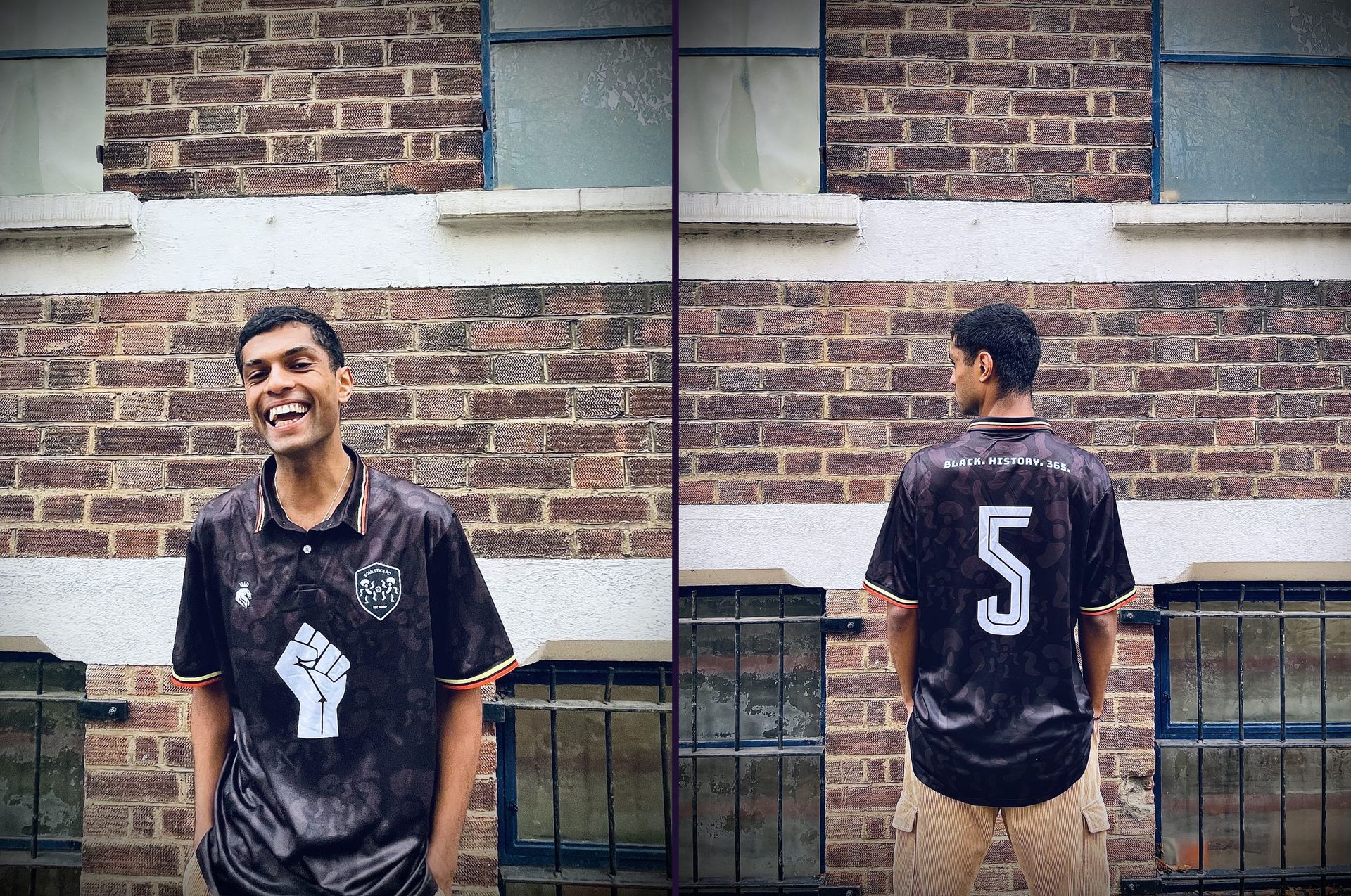
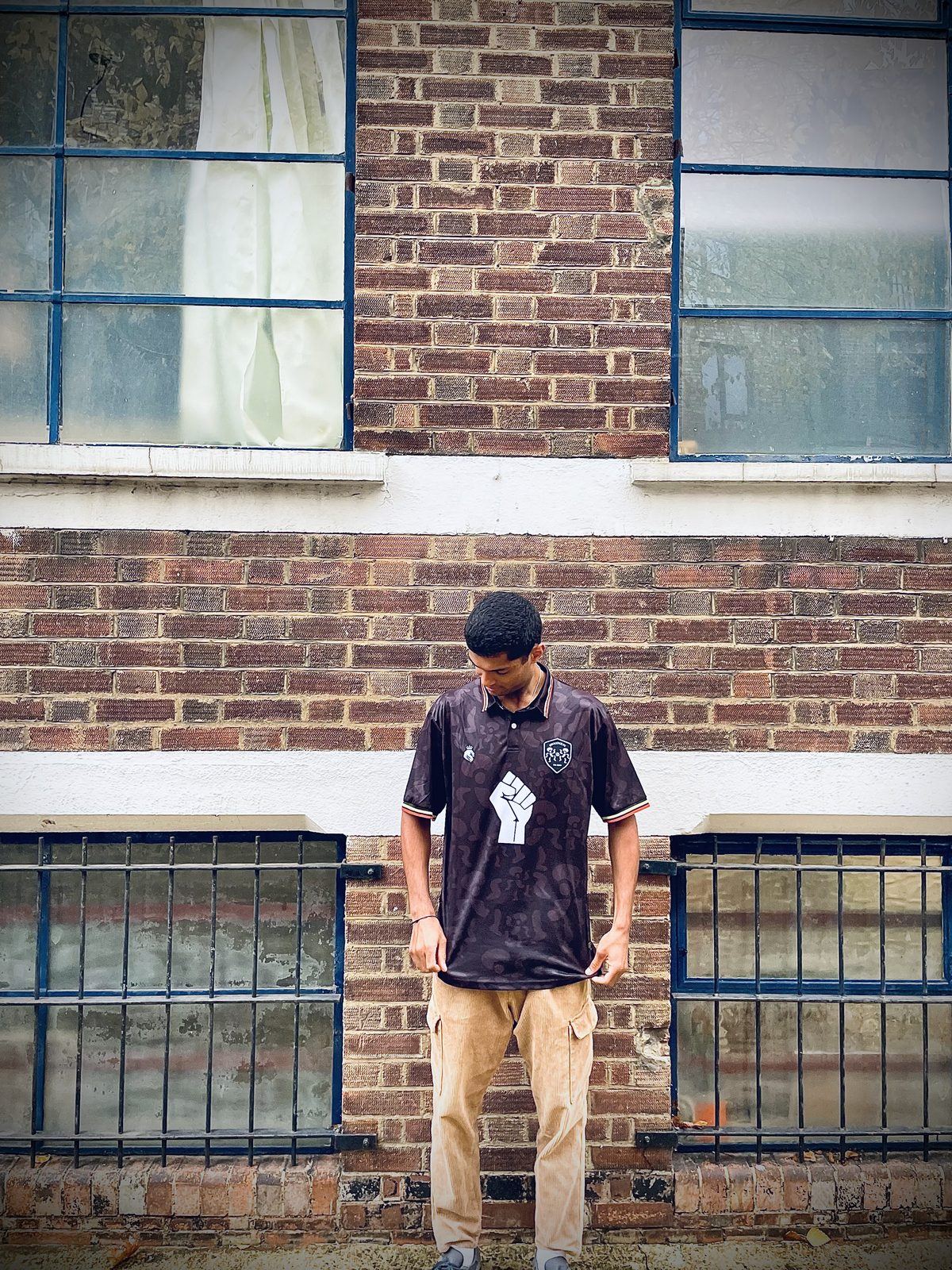
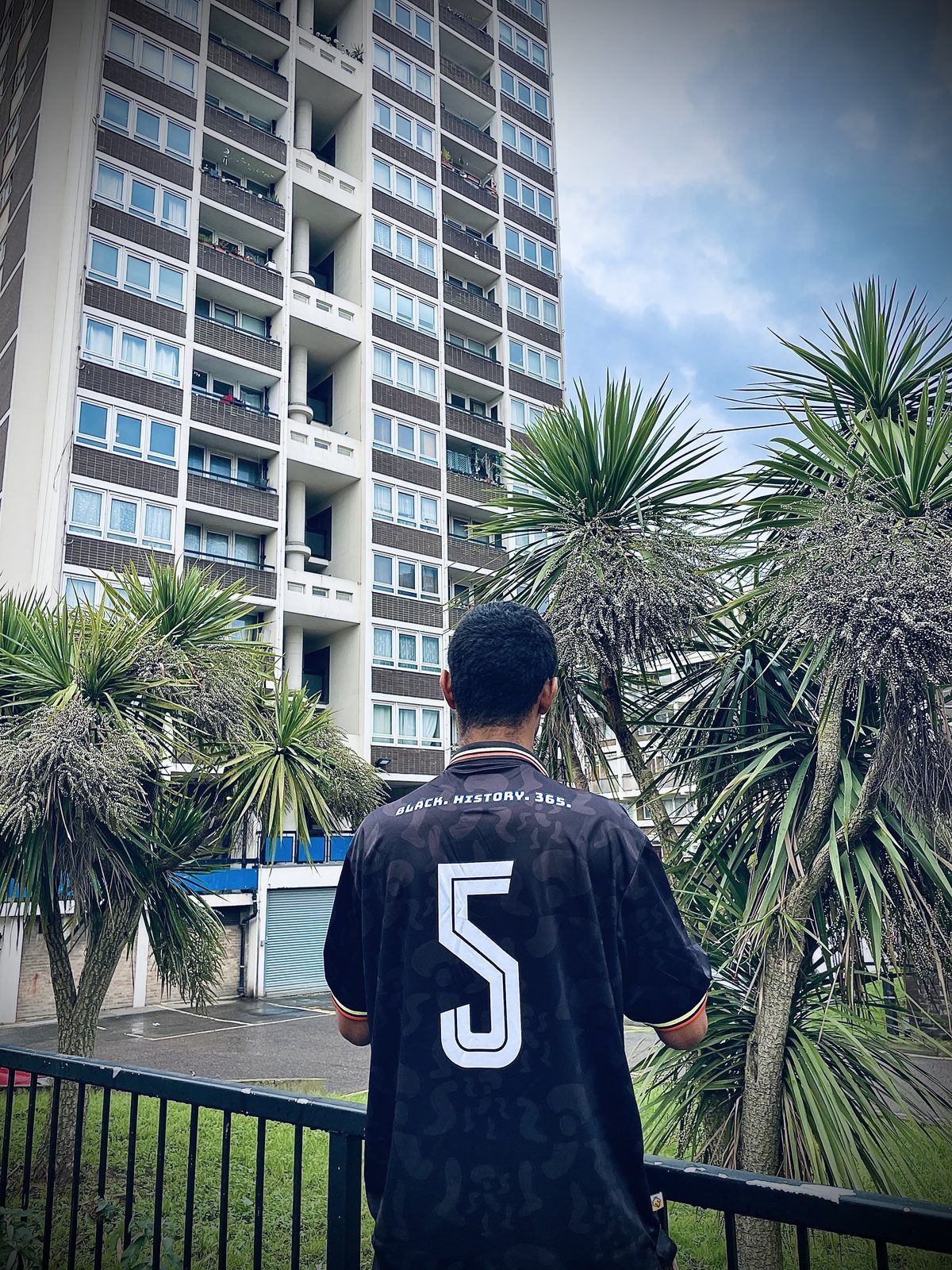
Three years ago, George and I designed a BHM Soulstice FC shirt with “Black. History. 365” on the outside collar, because Black history is an all-year-round idea that shouldn’t be confined to one month. That’s also what young audiences want: 58% of UK Gen Z want brands to work with Black creators year-round, compared with 39% who want a BHM post.7

We’ve been here before, asking brands how and where they’re engaging with Black culture all year round. So the question now is: what’s happened? Why have you stopped, to the point that BHM itself doesn’t warrant attention?
I’m fortunate that Black history is a 365-day experience for me because of my heritage. I’m unfortunate in that it means I spend more time than most reflecting on what brands do for Black culture. These questions are quickly becoming as old as time, which tells us nobody has worked out how to answer them in a way that’s meaningfully sustainable. All I know is that we shouldn’t give up trying, and we shouldn’t let brands (or each other) off the hook.
So maybe it’s about keeping it simple by asking ourselves: what is one thing I’ll commit to understanding between now and next year, and what will I do with it?
For me, it’s mastering Egusi and cooking it for my Auntie.
Sources
- Brands Back Away From Black History Month, Adweek, March 2025. Hootsuite analysis of around 100 prominent global brands' official accounts.
- 1664 Bière named Official Beer Partner of the MOBO Awards, Creativebrief, 2026. Post counts from the brand's Instagram feed.
- Mayor steps in with new funding to support Notting Hill Carnival in its 60th anniversary year, Mayor of London, 2026.
- UK firms scale back Pride support as corporate DEI retreat gathers pace, Business Matters, reporting a Guardian analysis of the largest companies' Pride posts (52 in 2023, 4 in 2025) and UK Pride Organisers Network research on sponsorship.
- American Eagle stock soars 23% after Trump praises Sydney Sweeney ad, The Gazette, August 2025.
- Sadiq Khan says racism targeting England World Cup players is 'out of control', The New Arab, July 2026.
- Supporting Gen Z during Black History Month, Pion. Survey of 1,000 Gen Z in the UK and US, October 2023.